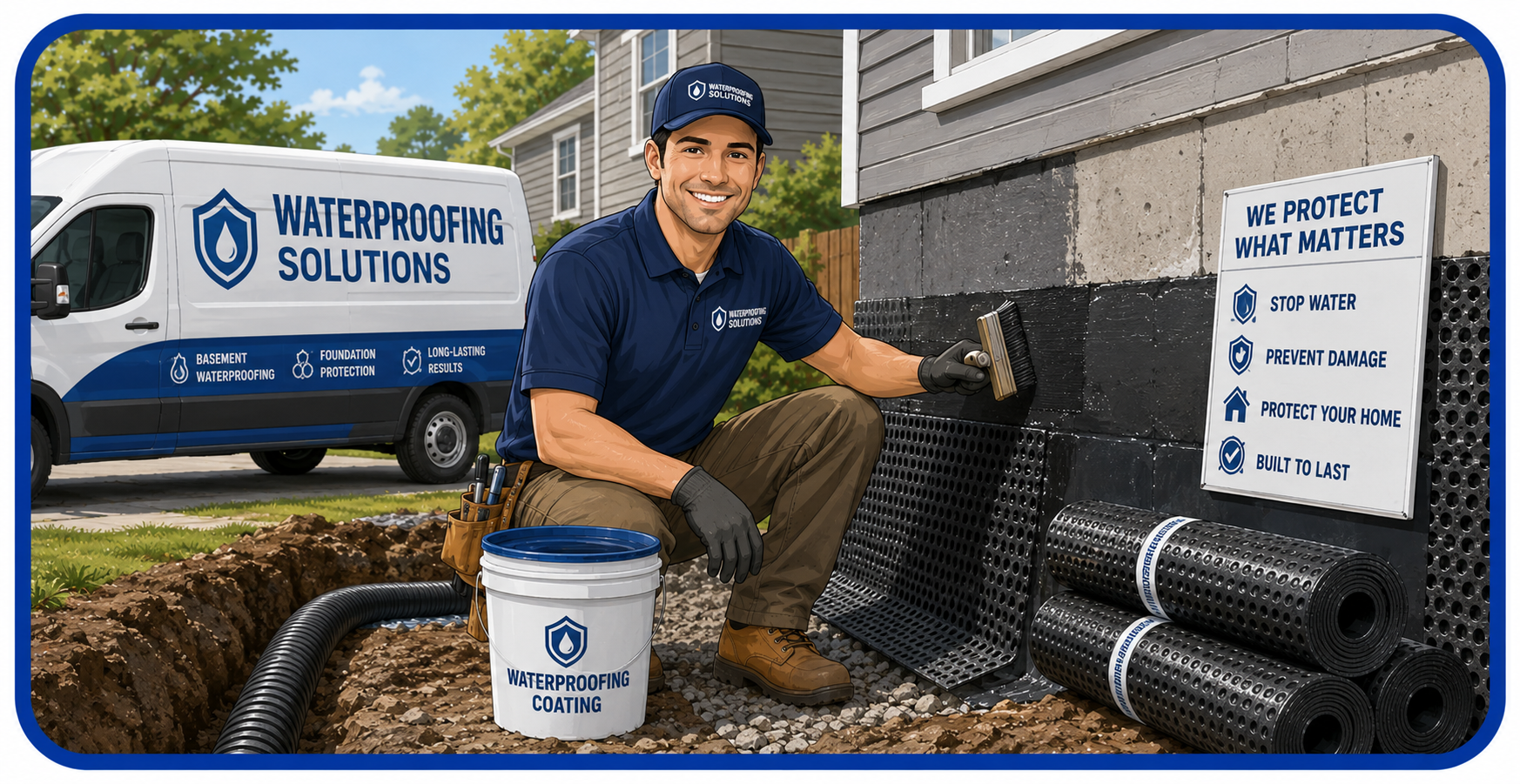
Heavy-gauge vapor barriers, sealed foundation vents, and a dedicated sump discharge line so your Trenton, NJ crawl space stops feeding moisture into the floor joists above it.
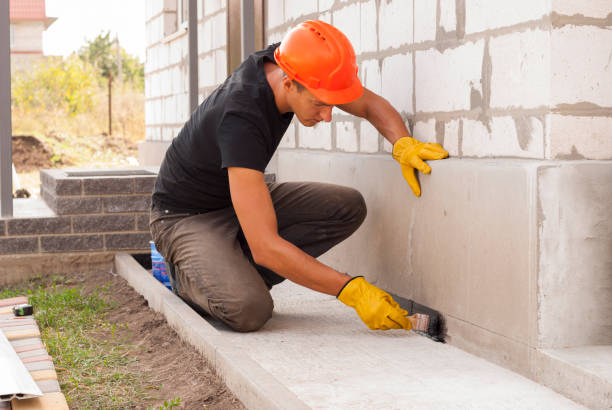
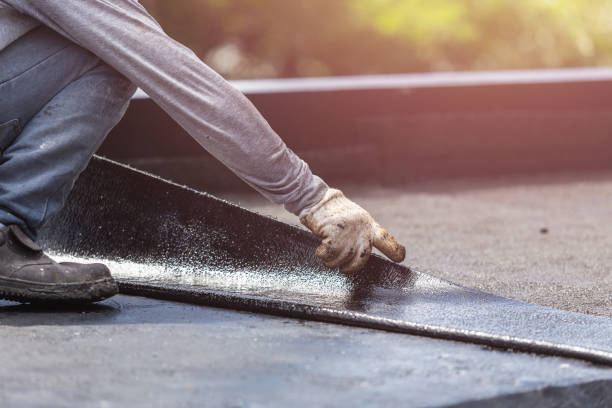
Trenton, NJ crawl spaces vary a lot in how they were originally built, and a liner that's correct for one home can be undersized for another depending on foot traffic and storage use. We size thickness to how the space is actually used.
We follow manufacturer specs on liner overlap and seam tape so the barrier actually holds up over time.
Our technicians carry encapsulation materials on the truck for most standard-size crawl spaces, cutting down on return visits.
No hourly billing — the number we quote is the number on the final invoice.
We measure relative humidity before and after installation to confirm the space is actually staying below the threshold where mold and wood rot take hold.

Every Trenton, NJ Crawl Space Encapsulation job starts with an inspection, not a generic package — here's what that typically includes.
Before any liner goes down, we pump out existing standing water and remove debris left behind by prior drainage failures.
Liner thickness is selected based on foot traffic and how the space will be used going forward, not a flat default.
Open foundation vents pull in humid outside air, which is often the real driver of Trenton, NJ crawl space condensation — we seal them as part of encapsulation.
We route discharge lines well away from the foundation so pumped water doesn't just cycle back in.
Exposed ductwork inside an unencapsulated crawl space collects condensation, which we address by insulating and sealing ducts while the space is open.

This helps us bring the right liner thickness and dehumidifier size on the first visit.
A technician physically enters the space to check for standing water, existing liner condition, vent count, and duct exposure.
You'll see square footage, liner grade, vent sealing, and dehumidifier specs broken out in the written estimate.
We re-test humidity after installation to confirm the space is holding at a healthy level before we consider the job done.

"Our crawl space had standing water and a mold smell we couldn't get rid of no matter what we tried. Full encapsulation with a dehumidifier fixed it in one visit."
— Trenton Homeowner
"Wood floors upstairs were starting to cup from crawl space humidity. Encapsulation plus a dehumidifier stopped it before we had to replace flooring."
— Trenton Customer
"Access to our crawl space is tight and awkward, but the crew didn't seem bothered by it at all."
— Trenton Homeowner
"Humidity reading before was over 80%. After encapsulation it's holding steady in the 50s."
— Trenton Customer
A vapor barrier is just the liner on the ground; full encapsulation seals vents, walls, and often adds a dehumidifier for complete moisture control.
We'll recommend a thickness based on how the space is actually used, not just a default.
Some jurisdictions have code requirements around vent sealing, which we'll flag during the inspection if relevant.
Often yes, if the crawl space is the source — sealing and dehumidifying typically resolves musty odors within a few days of installation.
Standing water doesn't disqualify a space from encapsulation; it's just the first step in the process.
Most residential jobs finish in one to two days depending on square footage and how much prep work is needed.
Tight access or an unusually large crawl space? Call +1-866-476-1348 and we'll confirm scope and scheduling for your specific Trenton property.


Zip codes we serve in Trenton, NJ: 08638 08611 08618 08629 08609 08608 08601 08603 08604 08605 08607 08625 08645 08646 08647 08666 08695 8608 8609 8610 8611 8618 8619 8620 8628 8629 8638 8690
One call gets you a licensed specialist, a written quote, and a same-day time window.
Call +1-866-476-1348© SGP Waterproofing. All rights reserved.